Should Cavities in Baby Teeth Be Treated?
Contents
- 1. Why Do Cavities in Baby Teeth Matter?
- 2. What Happens If They Are Not Treated?
- 3. How Are They Treated?
- 4. Can New Cavities Be Prevented?
- 5. When Should Families Seek Care?
- 6. Conclusion
1. Why Do Cavities in Baby Teeth Matter?
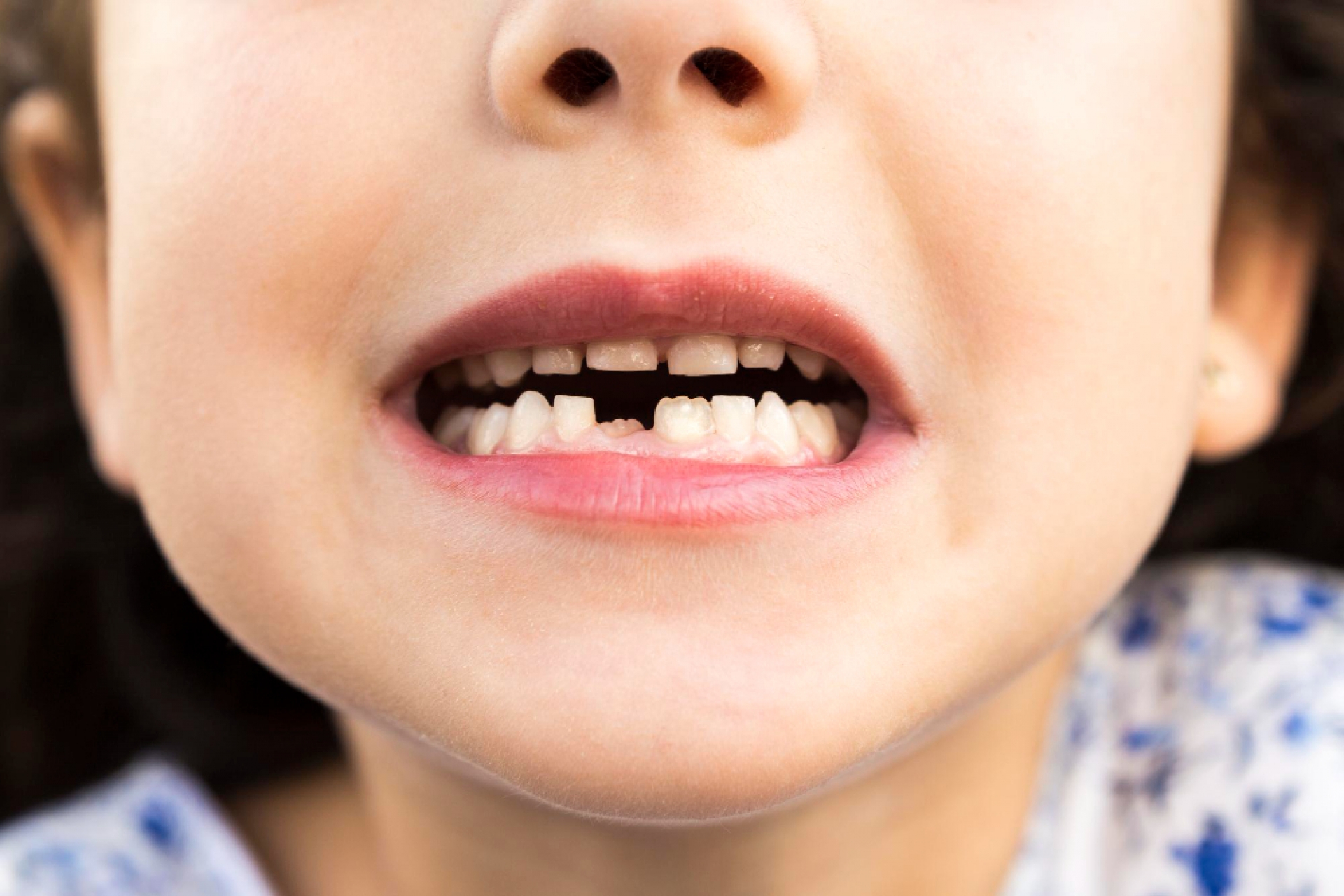
Baby teeth hold space for permanent teeth and support chewing and speech. If decay is ignored, the tooth may become painful or infected and may be lost earlier than planned.
2. What Happens If They Are Not Treated?
Untreated cavities can lead to eating difficulties, sleep problems, abscesses and the spread of infection. Early loss of a baby tooth may also create crowding or eruption issues later on.
3. How Are They Treated?
Treatment depends on the size and depth of the cavity. Options may include fluoride support for early lesions, fillings, pulp treatment or crowns when the tooth needs stronger protection.
4. Can New Cavities Be Prevented?
Yes. Regular brushing, controlled sugar intake, fluoride use when recommended and routine dental check-ups are key preventive steps.
5. When Should Families Seek Care?
If a child has visible cavities, sensitivity, food trapping, pain or discoloration, a pediatric dentist should evaluate the teeth. Early treatment is usually simpler and more comfortable.
6. Conclusion
Baby teeth should not be ignored simply because they are temporary. Treating decay in time can protect both comfort and healthy dental development.
| Treatment Name | Price | Appointment |
|---|