Baby Teeth in Children
Baby teeth are often underestimated because they will eventually fall out, but they play a crucial role in chewing, speech development, facial growth and guiding permanent teeth into position.


Baby teeth are often underestimated because they will eventually fall out, but they play a crucial role in chewing, speech development, facial growth and guiding permanent teeth into position.
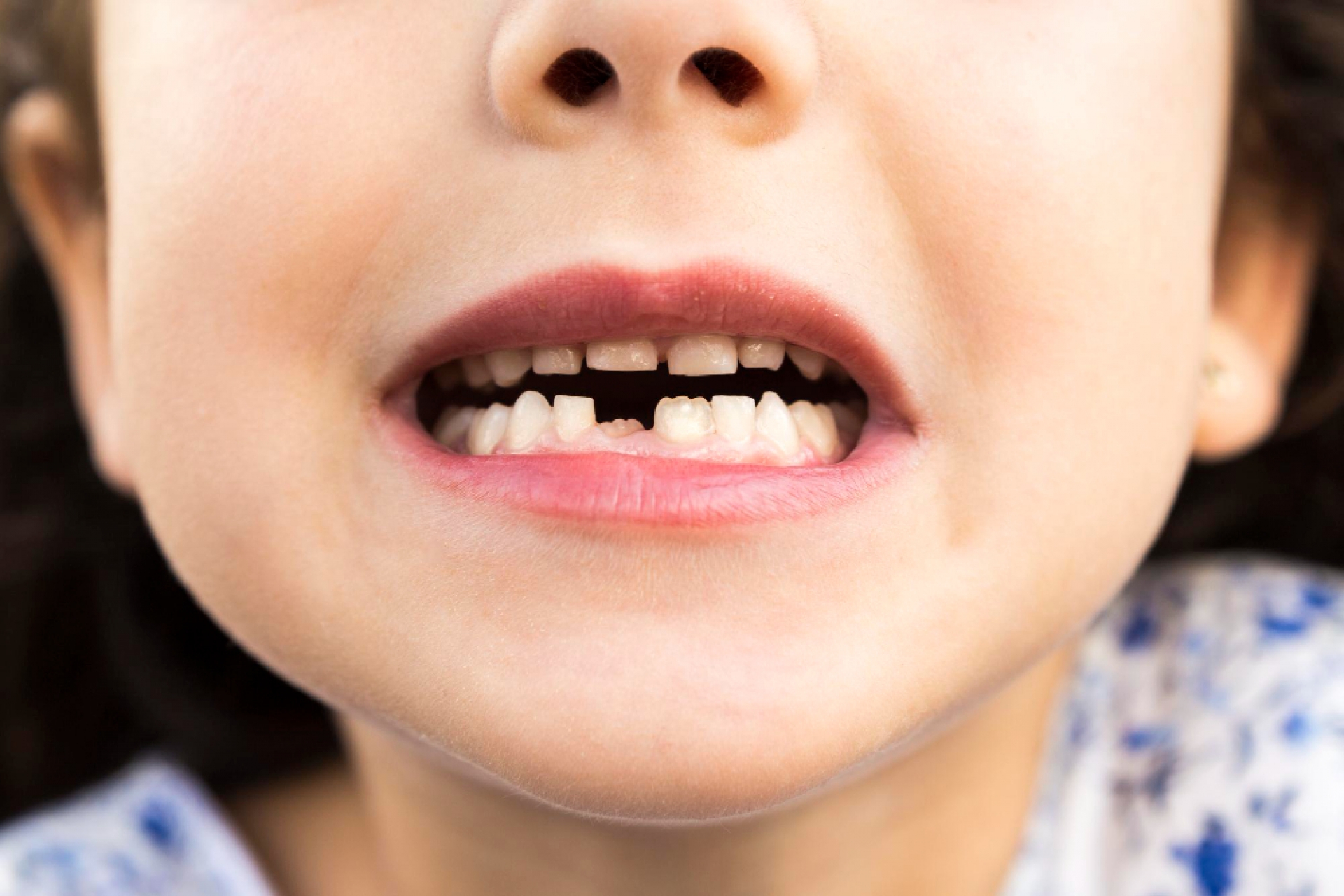
Cavities in baby teeth are one of the most common oral health problems in childhood. Even though these teeth will eventually be replaced, untreated decay can still cause pain, infection and developmental problems.
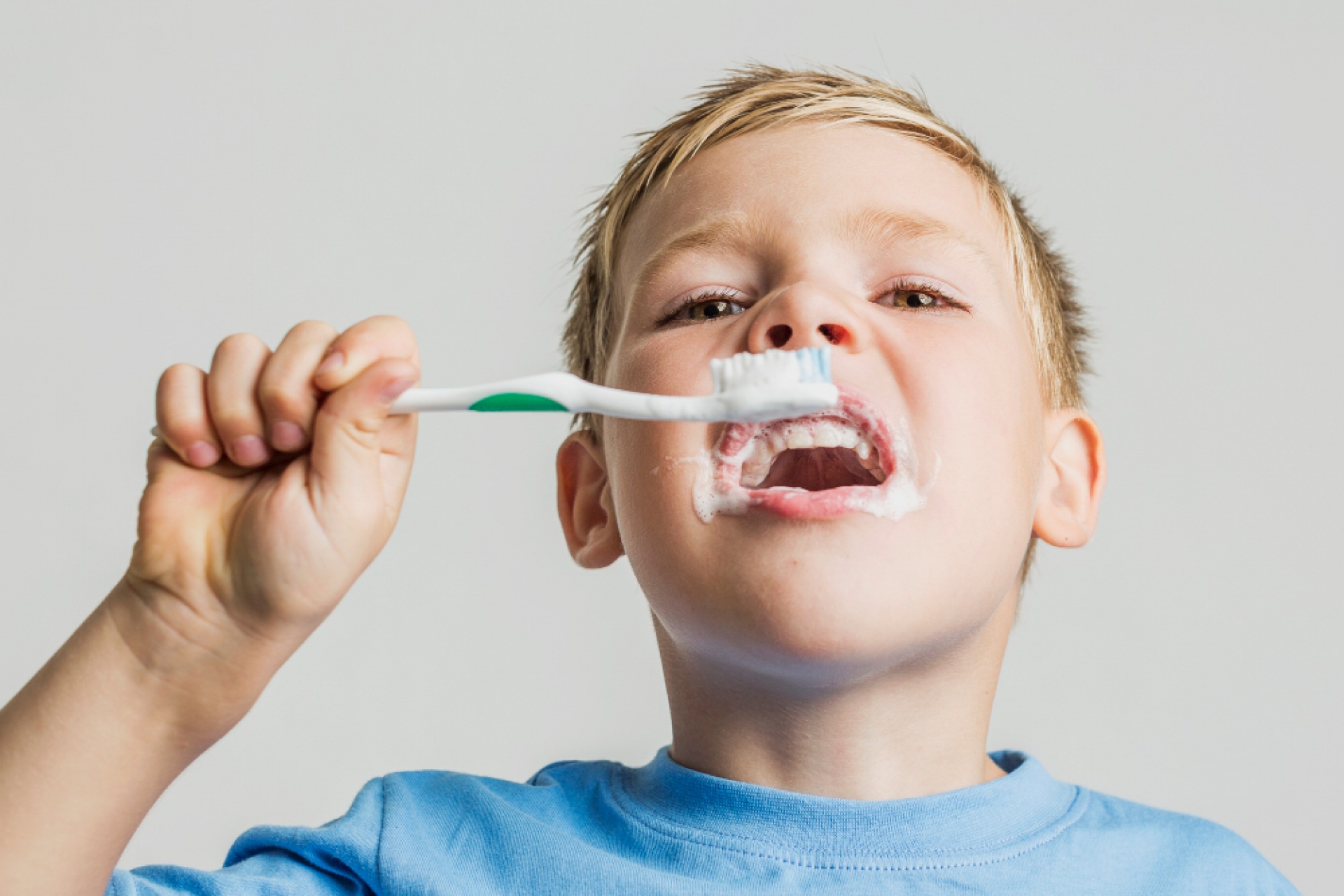
When tooth brushing becomes part of a childs routine at an early age, it can support lifelong oral health. The key is to make brushing regular, age-appropriate and positive.

Interproximal cavities develop on the side surfaces where teeth contact one another. They are often difficult to notice early because they may not be visible without a careful examination or radiographs.
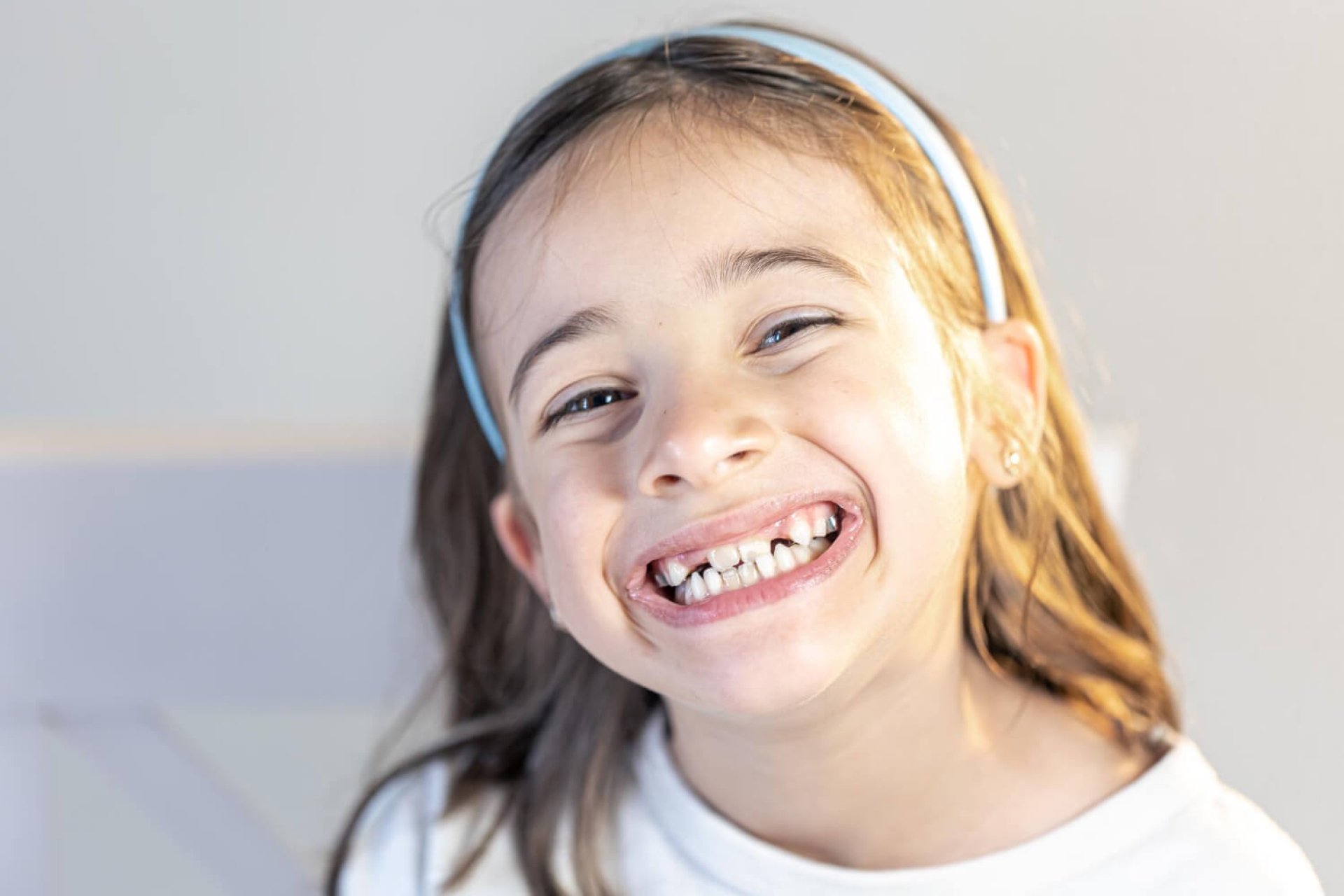
Preparing children properly for a dental visit can make the appointment easier, calmer and more positive. The parents attitude plays a major role in shaping the childs expectations.

Dry mouth in children occurs when saliva production decreases and the mouth feels dry or uncomfortable. Saliva is essential for protecting the teeth, gums and oral tissues.

A childs water-drinking habit matters not only for general health but also for oral health. Water supports saliva, helps clean the mouth and can reduce the effects of sugary and acidic foods.

Pediatric dental care aims not only to treat oral problems but also to protect a childs future oral health. Families often have similar questions about brushing, cavities, fluoride and the right time for treatment.

Swollen or bleeding gums are among the most common oral complaints that worry parents. In many cases the cause is plaque accumulation, but cavities, eruption problems or infection may also be involved.

The most effective way to protect a childs oral health is to prevent cavities before they begin. Preventive dental treatments help strengthen the teeth and reduce the need for more extensive care later on.

Some children develop cavities in a very short time, which can be frustrating for families. Fast decay usually has more than one cause, and it is not always a sign that parents are doing something wrong.

Digital anesthesia is a method that uses computer-assisted technology during local anesthetic delivery. It is designed to provide a more controlled and often more comfortable experience than conventional injection techniques.
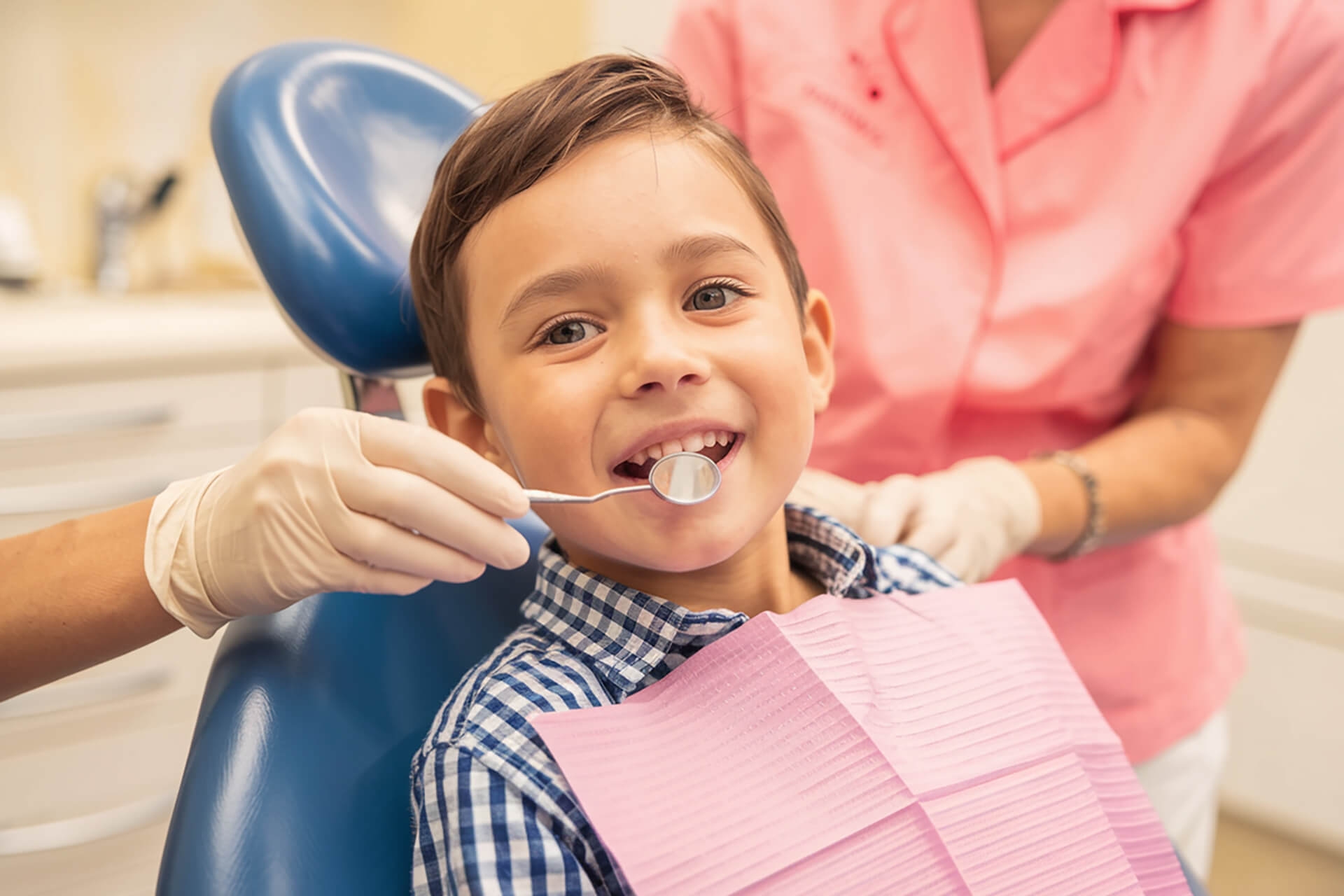
A childs oral and dental health directly affects long-term dental development. Pediatric dentistry focuses on preventive care, early diagnosis and child-friendly treatment from infancy through adolescence.

The sucking reflex is a natural instinct in babies and is linked with feeding, comfort and self-soothing. However, prolonged pacifier use or thumb sucking may begin to affect dental and jaw development.
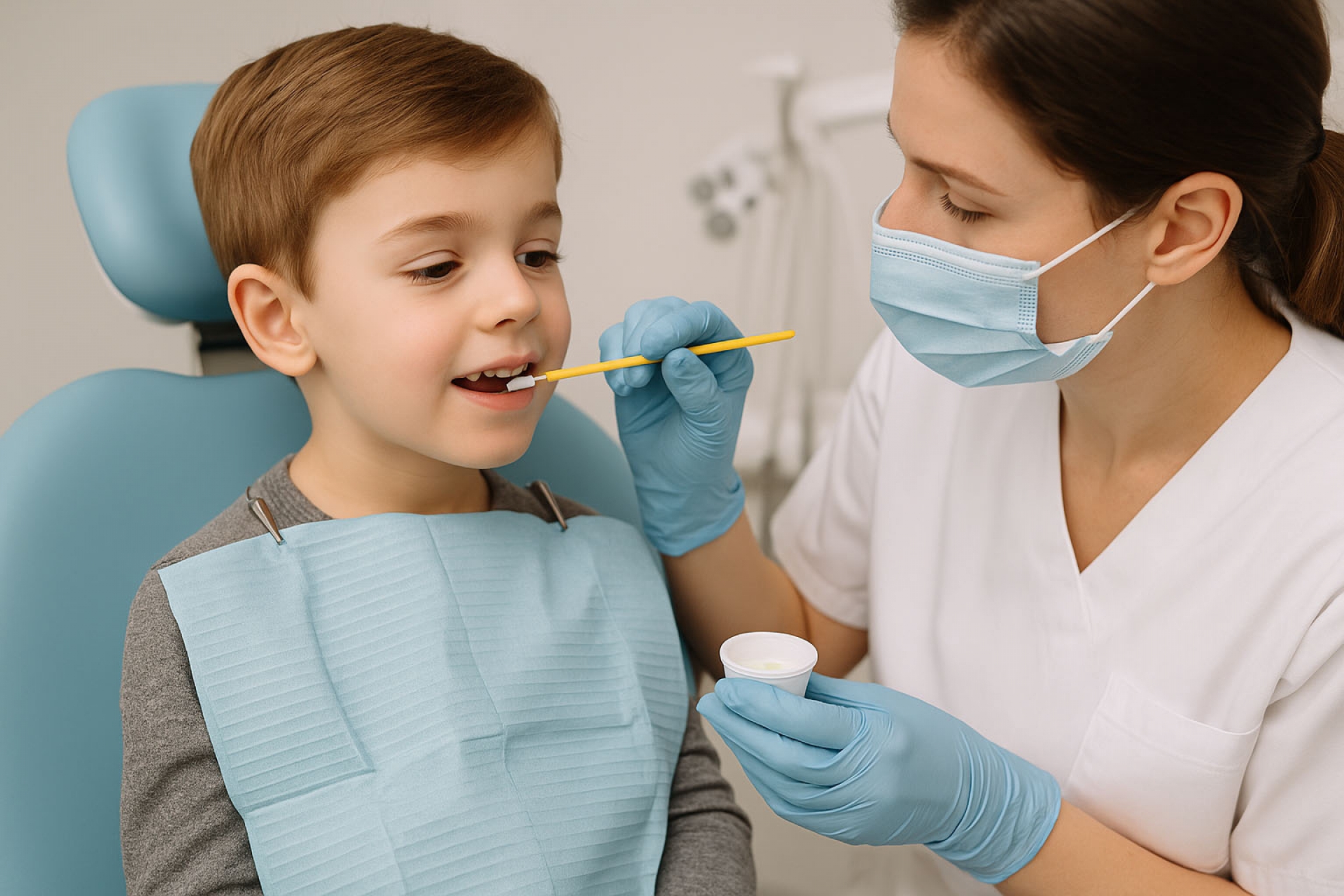
Fluoride is a natural mineral known for strengthening enamel and helping protect teeth against decay. Professionally applied fluoride is a common preventive treatment in pediatric dentistry.
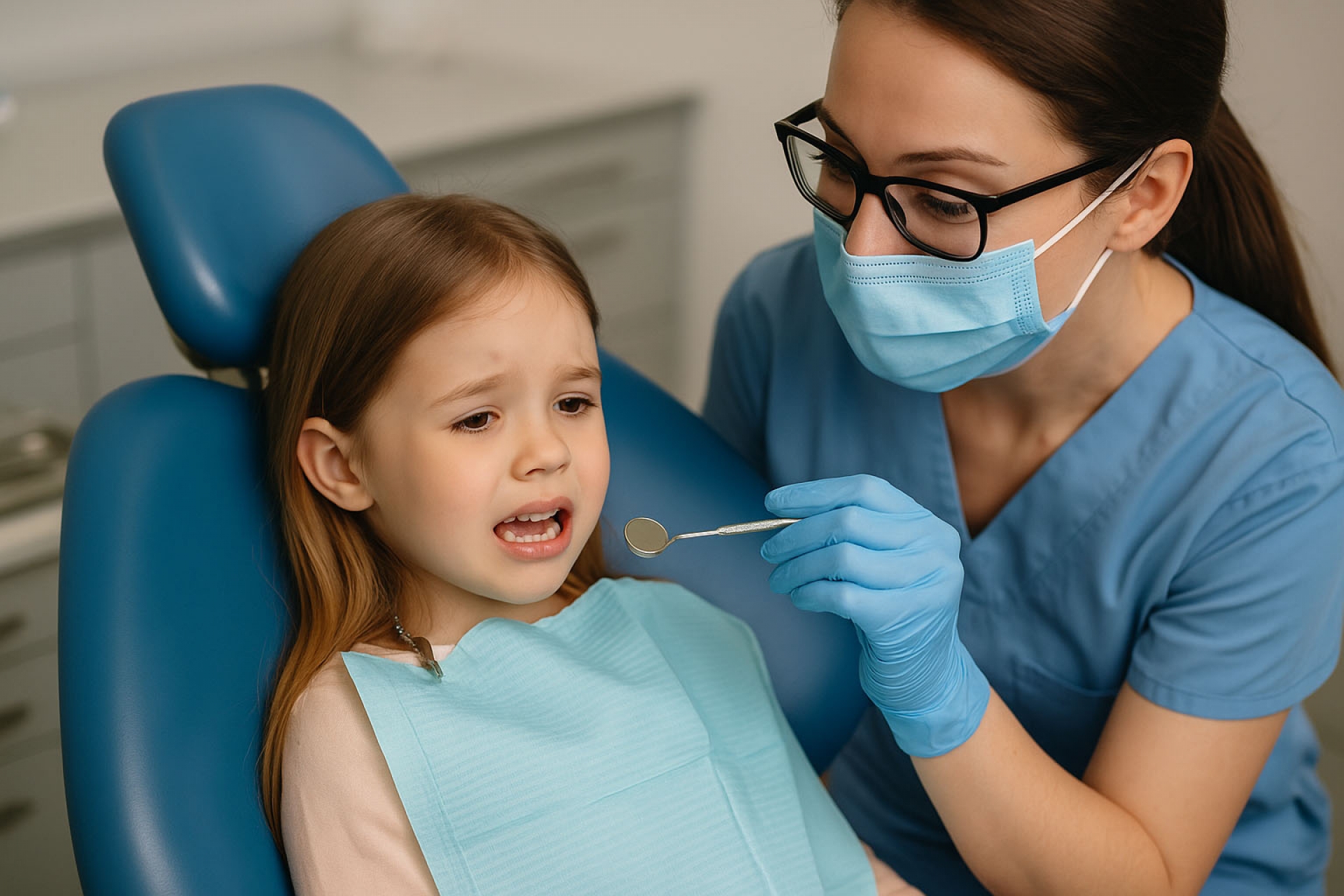
Dental fear in children may develop for many reasons, and it can negatively affect routine care if not addressed properly. A supportive and child-centered approach can make a major difference.

Braces are a core part of orthodontic treatment and can be used to improve tooth alignment and bite relationships. The most suitable timing depends on the type of problem and the patients growth stage.
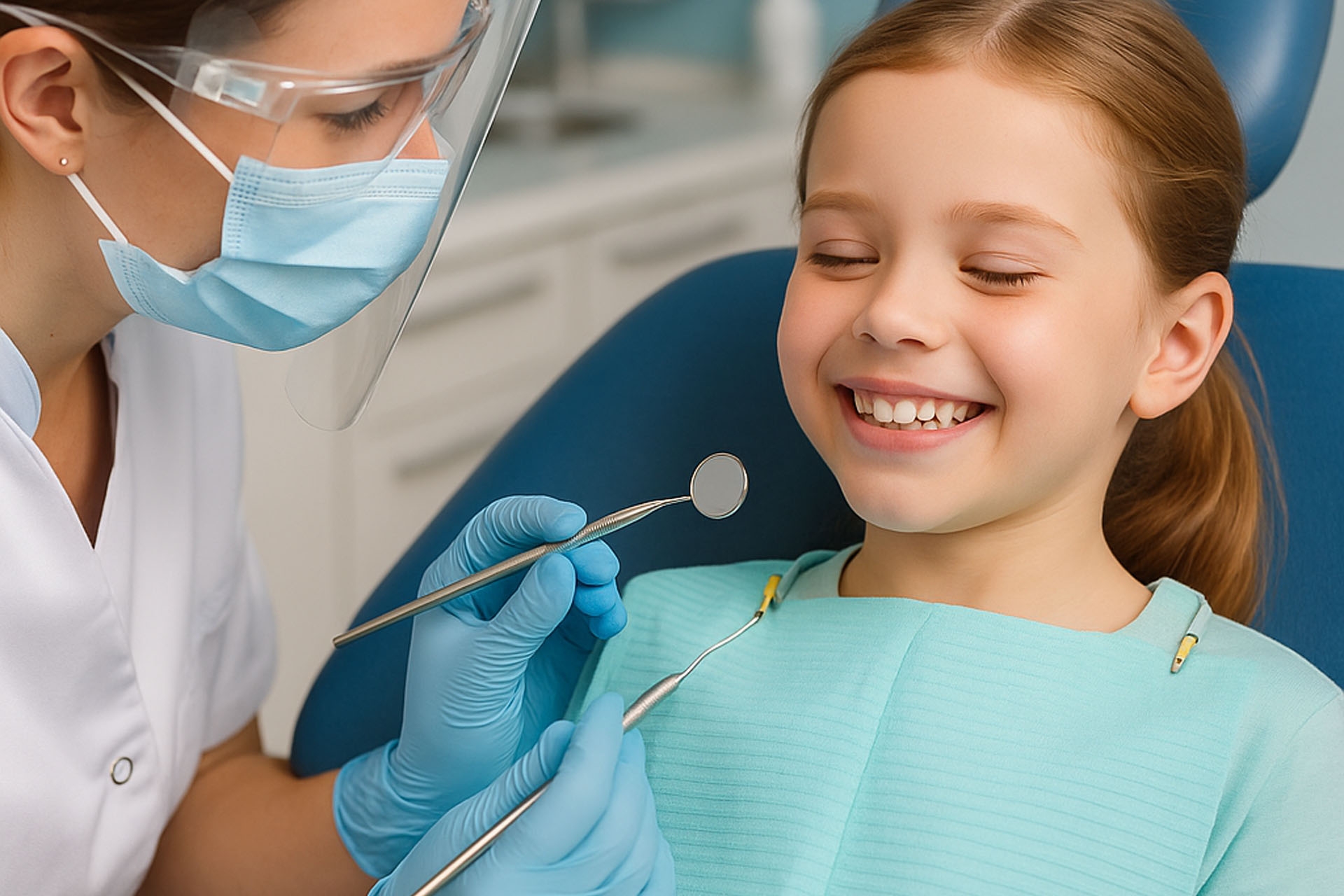
A high-quality pediatric dental clinic should offer more than treatment alone. Families should look for a child-friendly approach, preventive care and a team experienced in working with young patients.

Pacifier use and thumb sucking are common in infancy and early childhood. When these habits continue for too long, however, they may begin to affect the bite, tooth position and oral function.

Teeth grinding in children, also known as bruxism, is the involuntary clenching or grinding of the teeth, most commonly during sleep. It may be noticed because of grinding sounds at night, tooth wear or jaw discomfort.
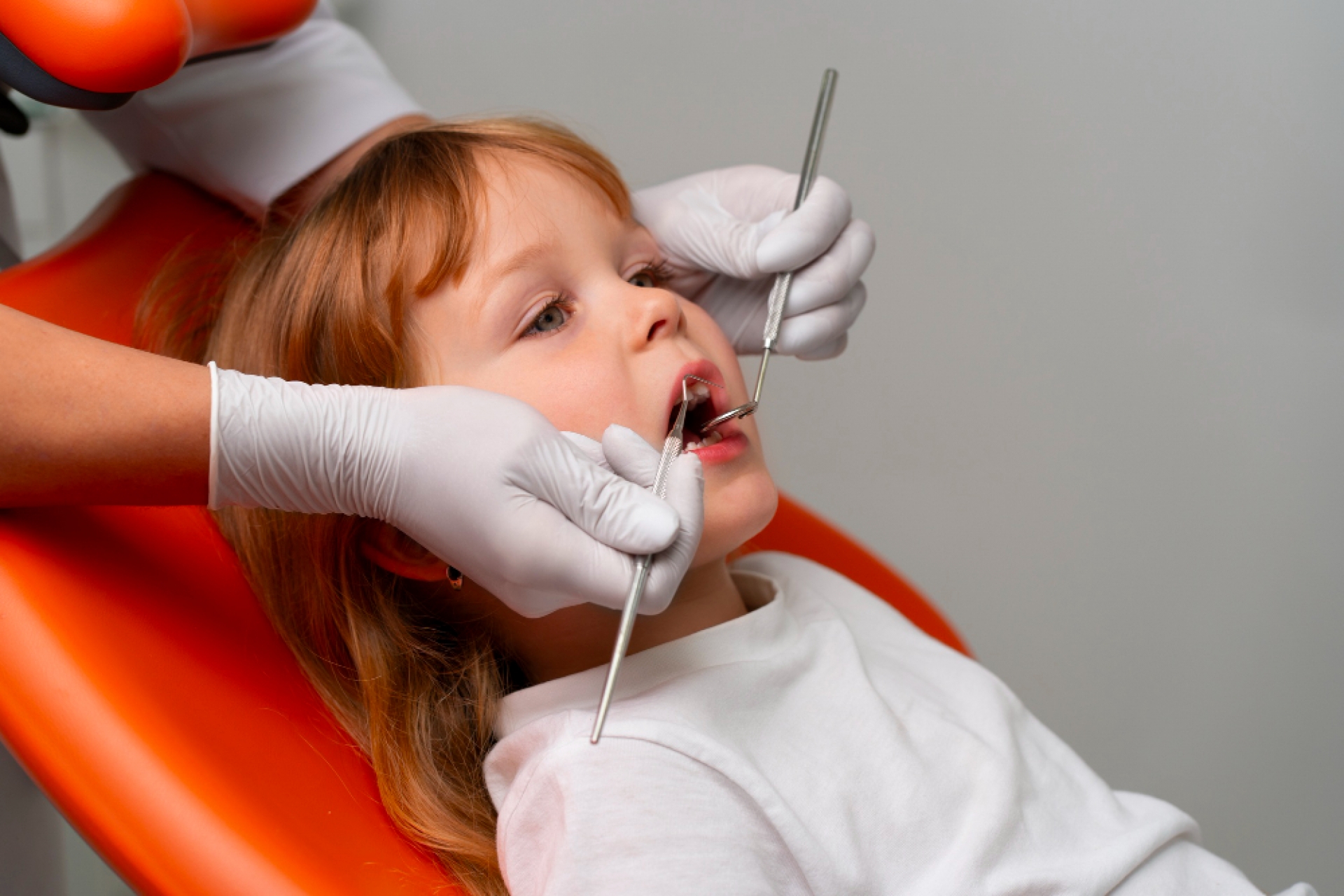
An impacted tooth in a child is a tooth that develops inside the jaw but does not erupt into the mouth on time. Early diagnosis is important because delayed eruption can affect neighboring teeth and bite development.

Proper alignment of the teeth during childhood and adolescence supports both oral health and jaw development. Clear aligner treatment may be an option in suitable pediatric cases when careful case selection is made.